
colored frosted glass
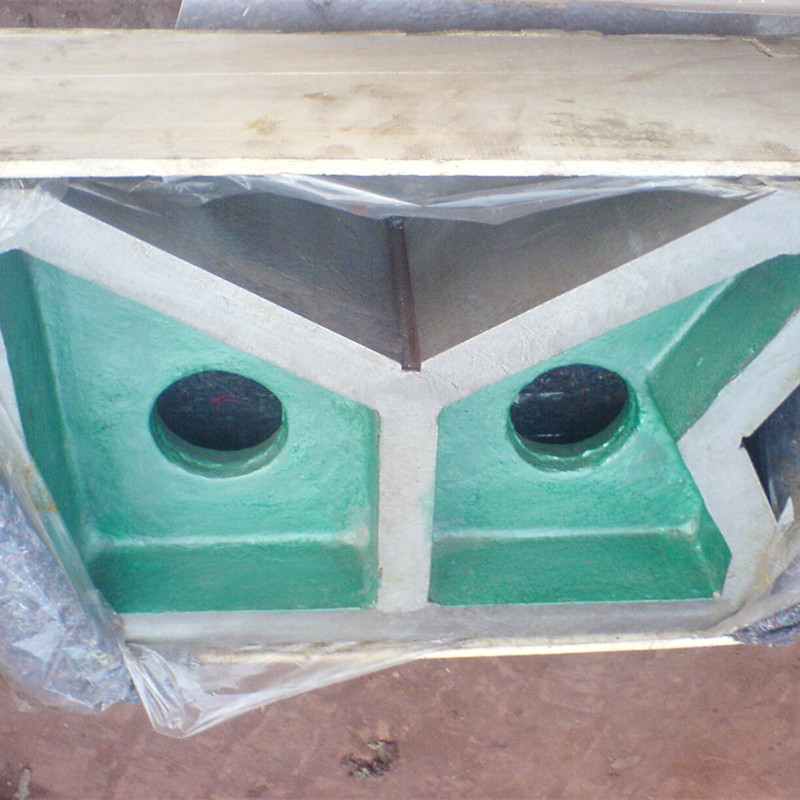
Understanding the Significance of Brace Plate Right Angle Brackets in Structural Engineering In the realm of construction and engineering, the role of seemingly insignificant components often belies their immense importance in ensuring structural stability and integrity. Among these unsung heroes, the brace plate right angle bracket stands out as a vital element in reinforcing joints and connections. This article delves into the intricacies of this component, its applications, and the reasons behind its ubiquitous presence in various engineering projects. **Introduction to Brace Plate Right Angle Brackets** A brace plate right angle bracket, simply put, is a metal plate fabricated into a 90-degree angle shape, designed to provide additional support and reinforcement at joints where two structural members intersect, typically perpendicular to each other. Made from materials like steel or aluminum due to their strength and durability, these brackets are an essential part of a structural engineer's arsenal, enhancing the overall rigidity and load-bearing capacity of a structure. **Functionality and Design Considerations** The primary function of a brace plate right angle bracket is to distribute forces evenly across a joint, thereby reducing stress concentrations that could lead to failure. Its design is meticulously calculated to resist shear, tension, and compression forces, ensuring that the connected members remain steadfast under duress. Key design considerations include the thickness and width of the plate, material strength, and the type of connection it facilitates (e.g., bolted, welded). **Applications Across Diverse Industries** The versatility of brace plate right angle brackets makes them indispensable across numerous sectors 1. **Construction** In buildings, they reinforce connections between beams, columns, and braces, particularly in seismic zones where structures must withstand lateral forces from earthquakes. 2. **Bridge Engineering** Bridges rely heavily on these brackets to strengthen truss connections and support heavy loads while minimizing vibrations **Bridge Engineering** Bridges rely heavily on these brackets to strengthen truss connections and support heavy loads while minimizing vibrations **Bridge Engineering** Bridges rely heavily on these brackets to strengthen truss connections and support heavy loads while minimizing vibrations **Bridge Engineering** Bridges rely heavily on these brackets to strengthen truss connections and support heavy loads while minimizing vibrations brace plate right angle bracket . 3. **Renewable Energy** Wind turbine towers employ these brackets to the tower's lattice structure, ensuring it can withstand high winds and torque from the spinning blades. 4. **Industrial Infrastructure** Factories and warehouses use them in racking systems and mezzanine floors to enhance stability and safety under heavy loads. **Advantages Over Traditional Connection Methods** Compared to traditional joining methods like mortise and tenon or simple bolting, brace plate right angle brackets offer several advantages - **Ease of Installation** Their standardized shapes and sizes facilitate quick and precise installation, reducing construction time and labor costs. - **Adjustability** They allow for some degree of adjustability during assembly, crucial for achieving precise alignments in complex structures. - **Strength and Durability** The use of high-strength materials and precise engineering ensures long-lasting performance even in harsh environments. - **Enhanced Safety** By reinforcing joints, they significantly reduce the risk of structural collapse, enhancing overall safety. **Conclusion** The humble brace plate right angle bracket, though often overlooked, is a cornerstone of modern engineering. Its effectiveness in reinforcing structures, coupled with the ease of implementation and adaptability to various applications, underscores its significance in ensuring safety, longevity, and efficiency in construction projects worldwide. As technology advances and construction practices evolve, the design and application of these brackets will undoubtedly continue to refine, further solidifying their position as a fundamental component in the architectural lexicon. Understanding and appreciating their role is vital for engineers, architects, and constructors alike, as they strive to erect structures that stand the test of time.
about
colored frosted glass
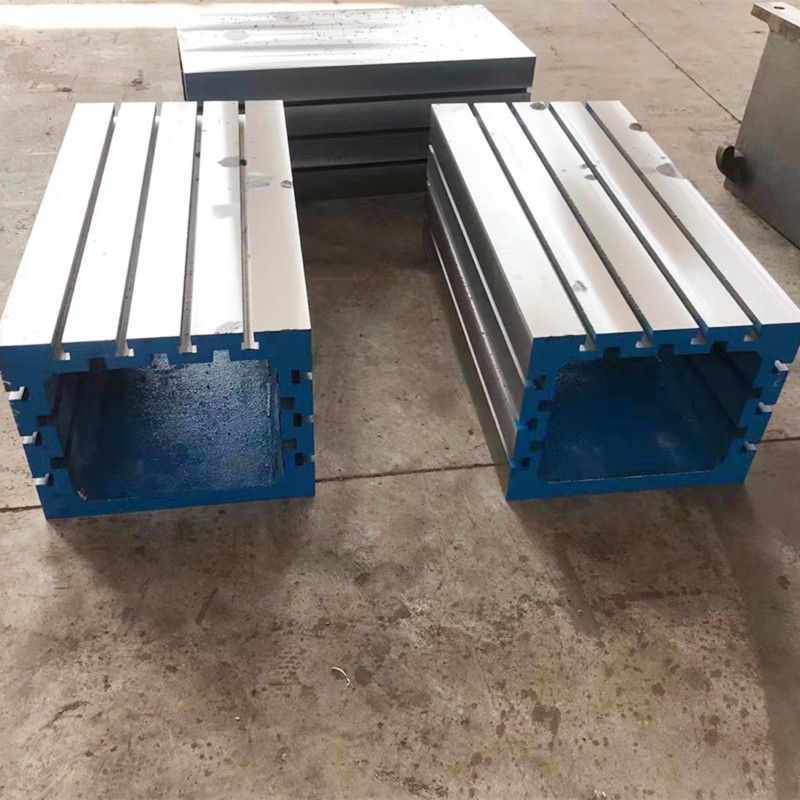
Strong Welding Table Essential Equipment for Precision and Durability in Welding In the world of welding, the importance of having the right equipment cannot be overstated. One of the fundamental pieces of equipment that every welder should consider is a strong welding table. A welding table serves multiple functions, providing a stable workspace that enhances precision, safety, and efficiency in welding projects. In this article, we’ll explore the characteristics, advantages, and considerations when selecting a strong welding table. Characteristics of a Strong Welding Table A robust welding table is designed to endure the harsh conditions of the welding environment. Here are some characteristics that define a strong welding table 1. Material Composition The best welding tables are made of heavy-duty steel or aluminum, which can withstand high temperatures and impact from heavy equipment. The surface material should be resistant to sparks, slag, and molten metal. 2. Weight and Stability A strong welding table must be heavy enough to remain stable under the weight of materials being welded. Stability is crucial for precise welds, as movement can lead to flaws in the finished product. 3. Surface Flatness A flat surface is essential for accurate measurements and weld alignment. A quality welding table will have a surface that is machined to be as flat as possible, minimizing any discrepancies that could affect the welding process. 4. Versatile Clamping Options A good welding table will offer integrated clamping systems that allow for secure positioning of materials. This includes T-slots or holes for clamps and fixtures, enabling welders to work on various shapes and sizes of components easily. 5. Adjustability Some modern welding tables are designed to be adjustable in height or can accommodate fixtures to support different types of welding tasks. Adjustability enhances comfort and ergonomics, reducing fatigue during long working sessions. Advantages of Using a Strong Welding Table strong welding table Investing in a strong welding table comes with several benefits 1. Improved Precision A sturdy foundation allows for more precise welding. When materials are securely held in place, welders can focus on the quality of their work without the distraction of movement or misalignment. 2. Enhanced Safety Welding poses several risks, including burns and injuries from falling materials. A strong table reduces these risks by providing a stable workspace that minimizes the likelihood of accidents. 3. Increased Efficiency With proper clamping systems and an organized workspace, welders can work more efficiently. This leads to reduced setup times and faster project completion, which can significantly impact productivity, especially in commercial settings. 4. Versatility in Projects A welding table that can accommodate various materials and sizes allows for a broader range of projects. This versatility makes it a valuable asset in both home workshops and professional fabrication shops. Considerations When Choosing a Welding Table When selecting a strong welding table, consider the following factors - Size Ensure the table is large enough to accommodate the materials you frequently work with. It should also fit well within your workspace. - Wheeled Options If mobility is a concern, a welding table with wheels can provide flexibility to move it around your workspace as needed. - Budget While it’s important to invest in quality, there are various options available across different price ranges. Determine your budget and find a table that meets your needs without compromising on essential features. Conclusion A strong welding table is an indispensable tool for any welder, providing the necessary stability, safety, and efficiency for a wide range of projects. By understanding the characteristics, advantages, and essential considerations in selecting a welding table, you can ensure that your welding processes are not only more precise but also more enjoyable. Investing in a quality welding table enhances your ability to create professional-grade work, allowing you to tackle even the most challenging projects with confidence.
-

High quality industrial productsagement

High quality industrial products
View Details -

Meet the diverse needs of customers

Meet the diverse needs of customers
View Details -

Strict quality control

Strict quality control
View Details -

Top raw materials

Top raw materials
View Details -

Trusted supplier

Trusted supplier
View Details
Our application

news and information
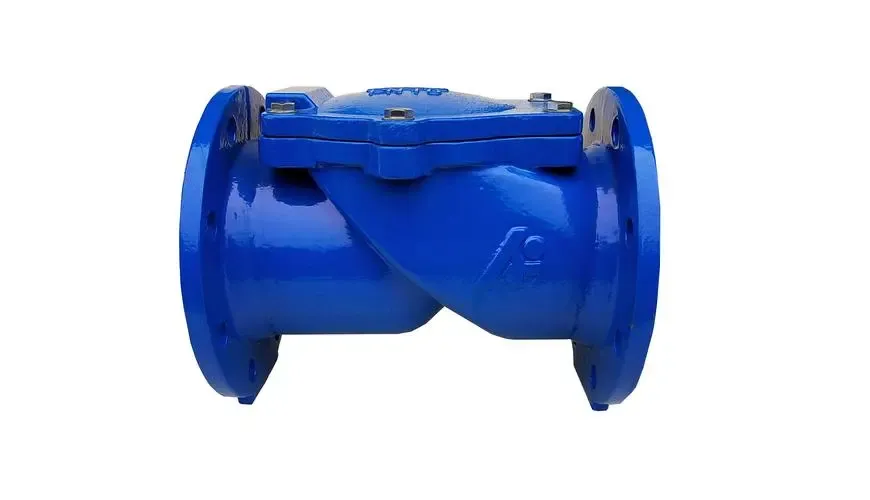
Water Hose Control Valve for Efficient Irrigation and Gardening Solutions
Understanding the Water Hose Valve A Key Component for Efficient Water Management When it comes to g
Versatile Clamps for Efficient Fabrication Table Solutions and Secure Workholding
fabrication table clamps .

Water Pressure Regulation Valve Efficient Flow Control System
Understanding Water Pressure Control Valves A Key Component in Efficient Plumbing Systems In the in
 English